
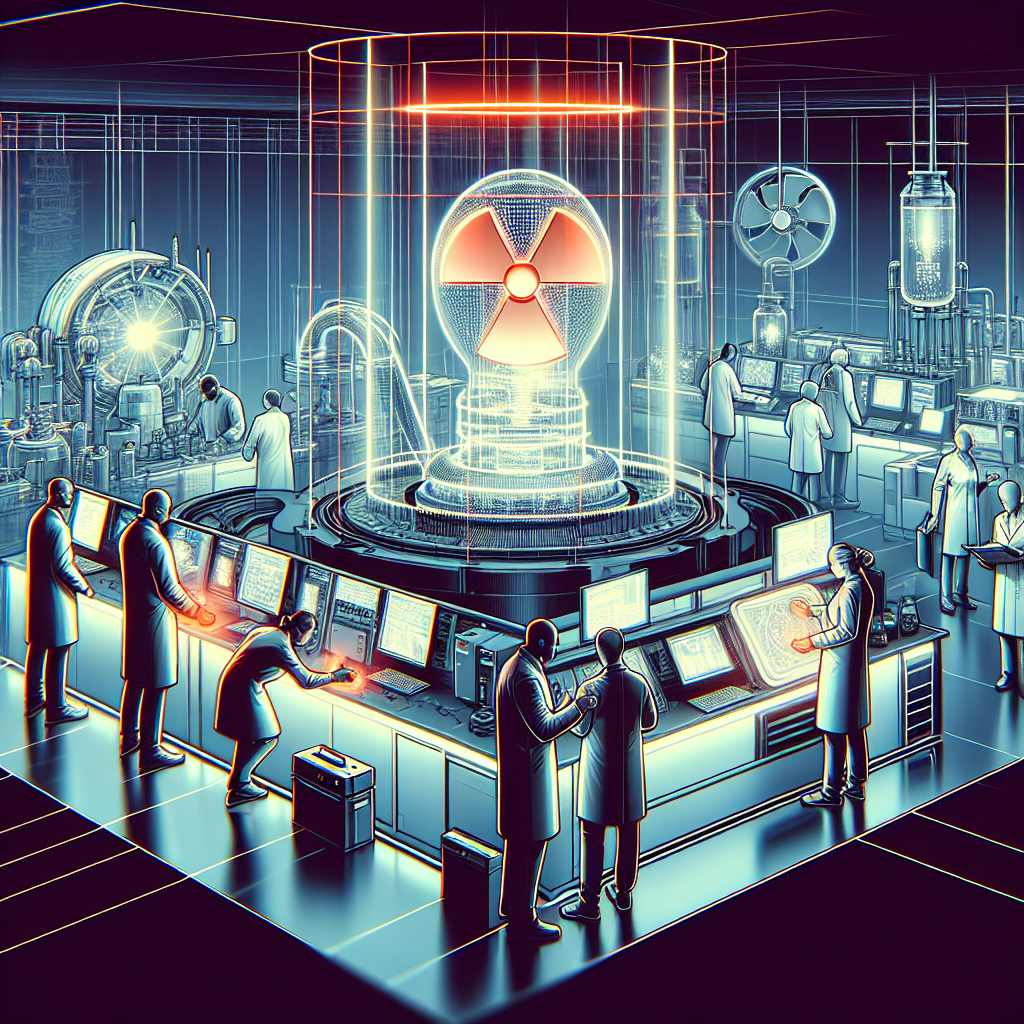
The growing demand for advanced radiotherapies is pushing scientists to explore innovative solutions for sourcing radioactive materials. As these new treatments show significant promise in cancer therapy, the need for radioactive isotopes is rapidly increasing, prompting a global effort to enhance production capabilities.
Currently, researchers at the United Kingdom National Nuclear Laboratory (UKNNL) are pioneering methods to extract valuable isotopes from nuclear waste. This initiative, led by Howard Greenwood, utilizes refined techniques to isolate radioactive lead from waste stored in secure facilities. Such efforts are crucial as pharmaceutical companies invest heavily in these potentially life-saving drugs.
Globally, the race to secure radioactive materials involves diverse strategies. Some teams are delving into Cold War-era nuclear stockpiles, while others repurpose materials from obsolete medical equipment. This high-stakes endeavor not only aims to meet the surging demand for isotopes but also promises substantial financial returns.
Historically, the process of element transformation through radioactive decay has intrigued scientists. This natural phenomenon involves the emission of particles or radiation from atomic nuclei, resulting in the conversion to different elements. The half-life of a substance, indicating the time required for half of its atoms to decay, is a key measure in this context.
As the pharmaceutical industry continues to channel significant resources into radiotherapy development, leveraging nuclear waste as a source for isotopes could be a game-changer. The combination of scientific innovation and historic resources might well shape the future of cancer treatment.
Leave a Reply