
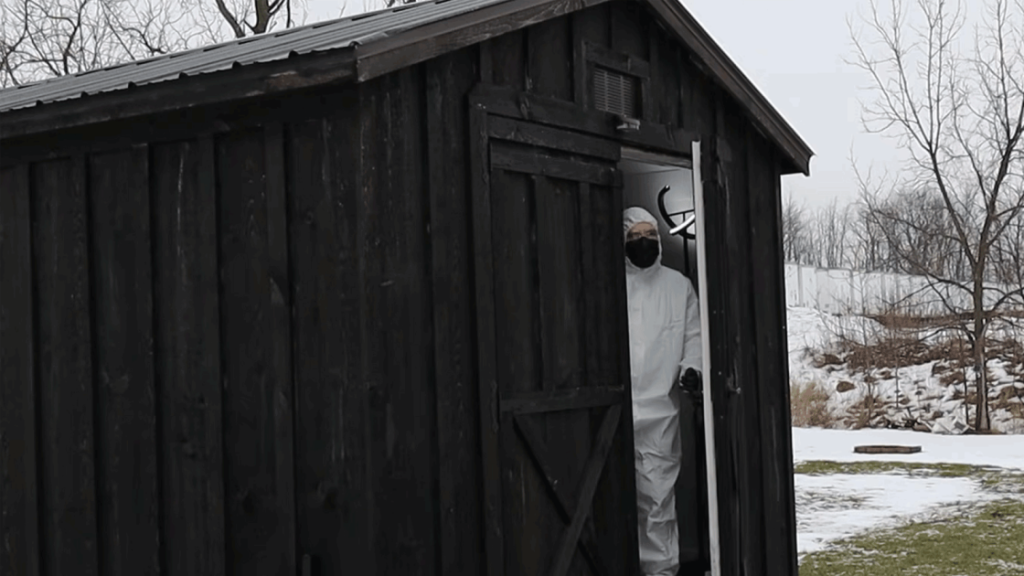
In a groundbreaking experiment, YouTube creator Dr. Semiconductor has embarked on an ambitious project to address the ongoing crisis of RAM pricing and availability by manufacturing his own memory modules. This endeavor goes beyond typical modifications and involves creating memory cells entirely from scratch, starting from silicon wafers, according to a report by a leading tech publication.
The initiative is not cost-effective, yet there is intrigue around the potential to produce a few viable memory sticks, sparking interest among tech enthusiasts who are willing to pay the right price.
The backdrop to this experiment is a global memory shortage exacerbated by the demand from AI data centers. As a result, manufacturers have prioritized the production of high-bandwidth memory (HBM) chips for large-scale cloud service providers, causing a spike in prices for consumers and enthusiasts. With no significant new production facilities expected before 2027, alternatives such as older DDR4 modules or mismatched memory sticks have become common, pushing some to explore self-manufacturing solutions.
Dr. Semiconductor’s method is extraordinary, involving the construction of a class 100 semiconductor cleanroom within his backyard shed. The setup and equipment used are nearly as impressive as the memory-building process itself.
The intricate procedure begins by extracting small silicon chips from a larger sheet, followed by coating them with a thin layer of oxide in a high-temperature furnace. This layer is just 330 nanometers thick, showcasing not only the precision required for such fabrication but also the audacity and success of undertaking such a project in a home environment.
Leave a Reply